
Farm Bill 2.0: A Pathway to Innovation
The 2018 Farm Bill was a start — here's what Farm Bill 2.0 needs to unlock the next generation of cannabis innovation.
When the 2018 Farm Bill was signed, most people saw it as a victory for hemp farmers. But in reality, it was something much bigger: it cracked open the door for cannabis innovation in ways state programs had not yet imagined.
What the Farm Bill Did
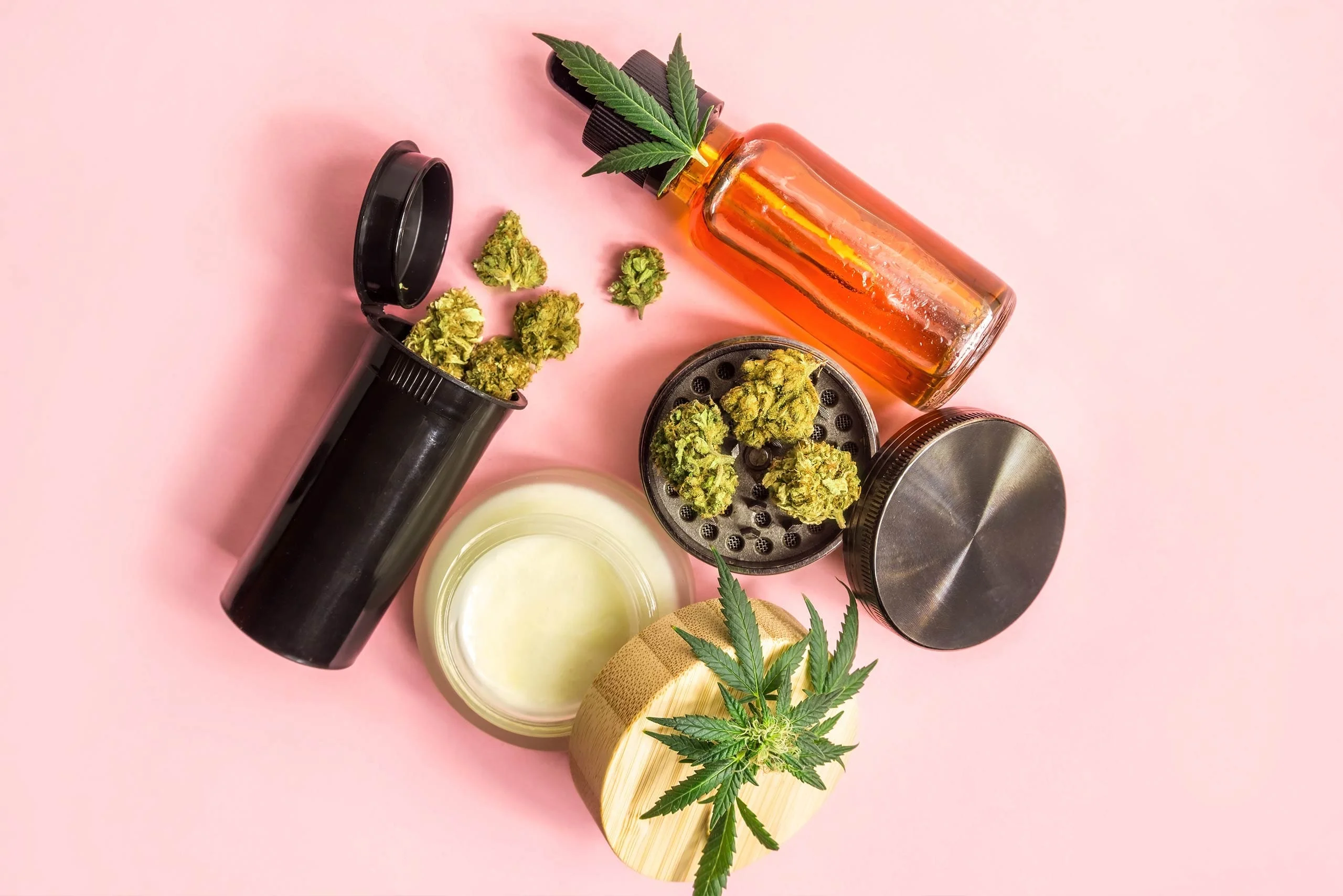
By legalizing hemp with less than 0.3% THC, the Farm Bill created a national framework for cultivation, processing, and distribution. Suddenly, cannabinoids like CBD, CBG, CBN, and THCV became legal across the U.S. This gave rise to wellness products, infused beverages, and even pet care items — markets that would not exist if we had relied on state cannabis programs alone.
Where State Programs Fell Behind
State cannabis programs, including Florida's, remain restrictive. They focus almost exclusively on THC and keep product access limited to licensed dispensaries. The cost of entry is high, the rules are rigid, and the result is a narrow marketplace. By contrast, the Farm Bill allowed hemp entrepreneurs to experiment — creating new categories, reaching new consumers, and normalizing cannabis in everyday life.
Why We Need a Farm Bill 2.0
The next version must go further: clarity on cannabinoids, national testing and labeling requirements, freedom for research institutions, and equity pathways ensuring minority- and women-owned businesses have fair access.
How GŪD Builds on the Farm Bill
At GŪD Essence, we're preparing to launch licensed medical cannabis under Florida's MMTC program. But through GŪD Supply and our GŪD Sun Grown line, we're also building under the Farm Bill — creating products that are accessible, innovative, and available nationwide.
Because when cannabis has room to grow, innovation follows. And that's how we build an industry for the GŪD of all.